Venice is divided into six sestieri — neighborhoods, essentially — and where you stay changes your entire experience. I don't mean this in the soft, guidebook way of "each area has its own charm." I mean that booking a hotel in San Marco versus Cannaregio is the difference between feeling like a tourist trapped in a theme park and feeling like you might, for three or four days, be living somewhere real.
I've stayed in all six. Multiple times. I have strong opinions about each, and I'm not going to pretend otherwise.
In This Article
San Marco — Central, Pricey, and Relentlessly Busy
The obvious choice. The piazza is right there, the basilica is right there, and so are approximately eight million other people, at least during the day.
Hotels in San Marco are the most expensive in the city, averaging €200–500 per night for a decent room. You're paying for the address. The rooms themselves are often small (this is Venice — everything is small), the breakfast is continental, and the streets outside your door will be packed from 9am to 10pm with guided tour groups walking in single file behind someone holding an umbrella.
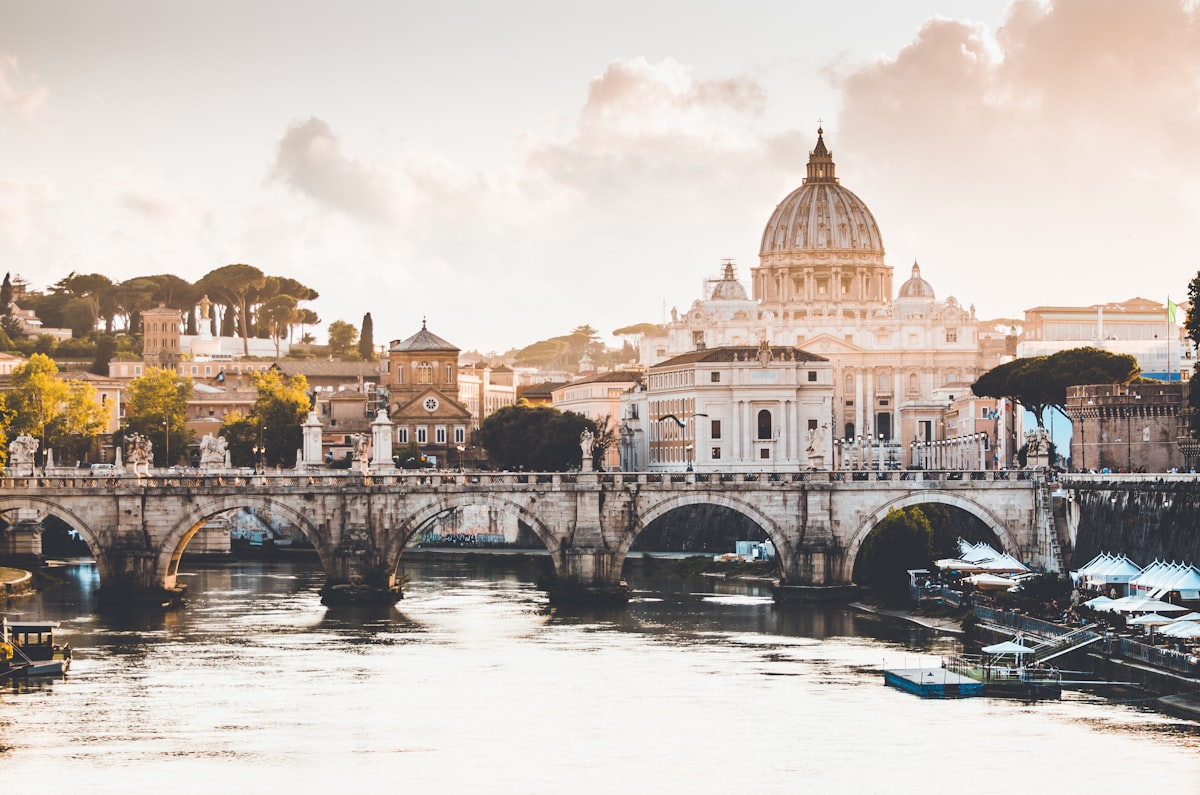
That said, if you want to step out of your hotel and be in it immediately — basilica, Doge's Palace, Correr Museum, Harry's Bar — San Marco is the only choice. For a short trip where you want maximum sight density, it works. I stayed at a small hotel on Calle Larga San Marco on my second trip and had a wonderful time, largely because I was twenty-four and didn't care about noise or price.
Dorsoduro — Where I'd Live If I Could
Dorsoduro is the southern sestiere, stretching from the Accademia Bridge to the western tip near the port. It has the Peggy Guggenheim Collection, the Gallerie dell'Accademia, the university (Ca' Foscari), and a long south-facing waterfront called the Zattere that is, in my considered opinion, the finest promenade in the city.
It's calmer than San Marco. Not dead — there are excellent bars and restaurants, particularly around Campo Santa Margherita, which fills with students every evening. But the tourist density drops significantly. You can walk for ten minutes along the Zattere in peak season and pass maybe a dozen people.
Hotels here range from €130–350 per night, with some charming guesthouses and B&Bs at the lower end. The area around Campo San Barnaba is particularly good — residential, pretty, with a fruit barge moored on the canal that's been selling vegetables since roughly forever.
Dorsoduro is where Venice stops performing and starts breathing. You feel the difference within half a block of crossing the Accademia Bridge.
Downside: it's farther from San Marco and Rialto than you might expect. Not far by any objective measure — fifteen minutes' walk to either — but in a city where "just around the corner" can mean three bridges and a dead end, proximity is relative.
Cannaregio — Real Venice, Whatever That Means
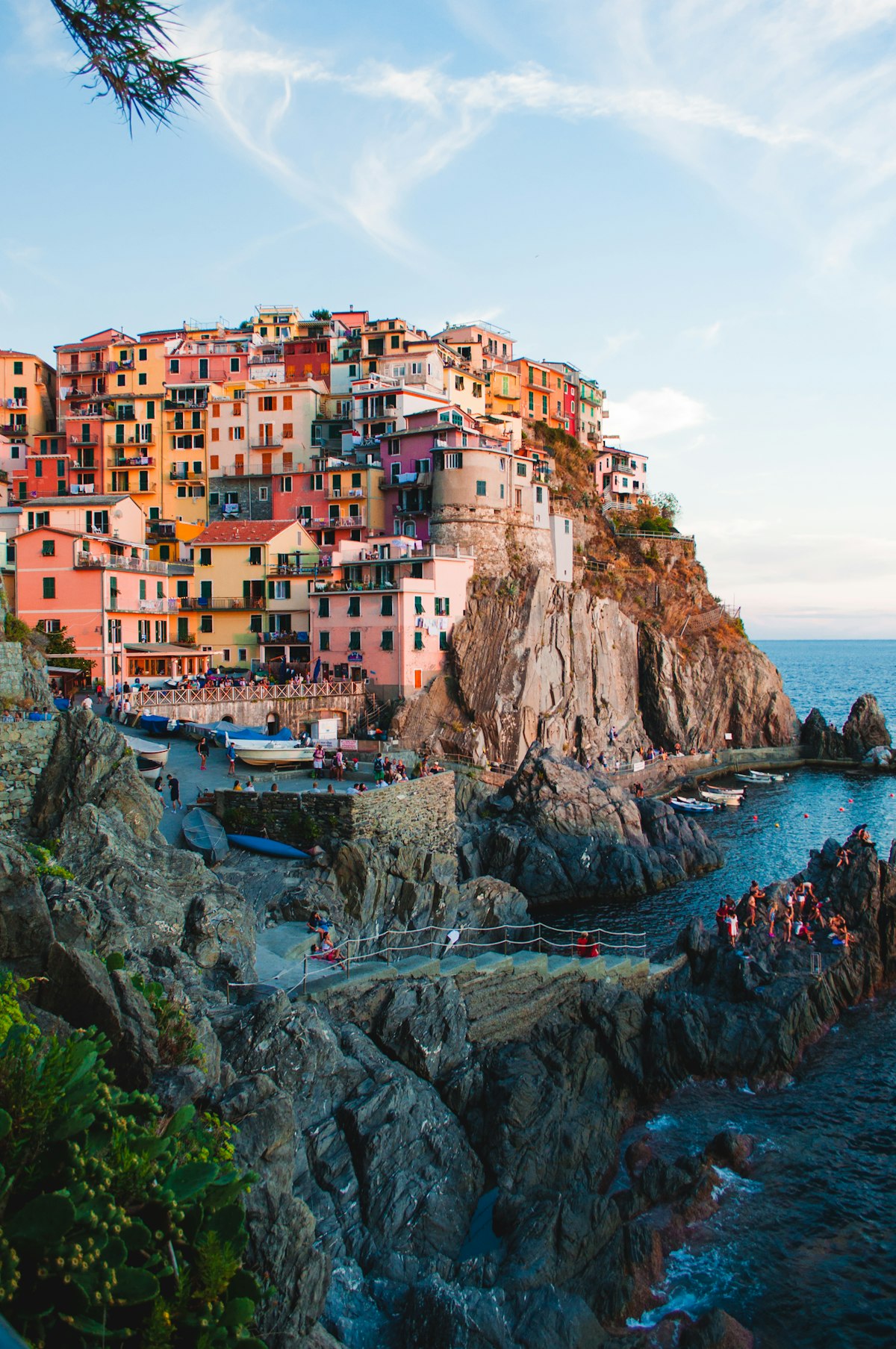
Cannaregio is the largest sestiere by population. It stretches from the train station (Santa Lucia) in the west to the northern lagoon edge, and it includes the Jewish Ghetto — the world's first, established in 1516, and still a functioning community with synagogues, a museum, and a bakery that makes excellent biscotti.
The main drag — Strada Nova — is busy and commercial, lined with the same tourist shops you'll find everywhere. Ignore it. One street north or south, Cannaregio becomes residential and quiet. Fondamenta della Misericordia, a long canal-side strip, has some of the best bars and restaurants in the city, and they're priced for locals rather than visitors.
Hotels are the most budget-friendly here: €80–200 per night, with genuinely good options under €120 if you book ahead. The area near Madonna dell'Orto church is peaceful, beautiful, and a fifteen-minute walk from the train station.
- Best for: Budget travellers, repeat visitors, anyone who wants neighbourhood life over tourist sights
- Drawback: The walk to San Marco is 20-25 minutes, and the station area (Lista di Spagna) is the most charmless street in Venice
- Hidden advantage: Direct vaporetto access to Murano, Burano, and Torcello from Fondamente Nove
Castello — Quiet, Eastern, Overlooked
Castello is the largest sestiere by area and the least visited. The western edge touches San Marco — the Riva degli Schiavoni waterfront is technically Castello — but walk east past the Greek church and the neighbourhood becomes something else entirely. Residential. Quiet. Washing lines across streets. Small squares where old men play cards in the afternoon.
The Arsenale, Venice's medieval shipyard, dominates the eastern end. During odd-numbered years, the Biennale transforms the area into an international art hub. During even-numbered years, it's just a very pleasant, very quiet part of the city.
Hotels range €100–250 per night. The area around Via Garibaldi — Venice's widest street, which feels like a different city entirely — has good mid-range options and local restaurants that don't bother with English menus.
San Polo — The Rialto Side
San Polo is small, dense, and centred on the Rialto Bridge and market. It has some of the best bacari (cicchetti bars) in Venice — All'Arco and Cantina Do Spade are both here — and a tangle of streets that are genuinely fun to get lost in.
The area directly around the Rialto Bridge is touristy and loud. But step two minutes into the interior — toward Campo San Polo, Venice's largest square after San Marco — and the atmosphere shifts. Campo San Polo itself is big enough for children to run around in (a rarity in Venice), surrounded by cafés with outdoor seating.
Prices sit between Dorsoduro and San Marco: €150–300 per night for a good room. The location is hard to beat for eating and drinking — you can stumble from bar to bar without crossing a single bridge if you plan your route right.
Downside: some streets flood regularly during acqua alta, and rooms can be noisy because the buildings are close together and the stones amplify sound. I once spent a night listening to a couple arguing in Italian three floors below my window. I don't speak Italian, but I understood everything.
Santa Croce — The Practical Choice Nobody Talks About
Santa Croce sits in the northwest, between the train station and San Polo. It includes Piazzale Roma (the bus terminal) and the Tronchetto car park, which means it's the first part of Venice you see if you arrive by car or bus. This does it no favours aesthetically.
But push past the concrete of Piazzale Roma and Santa Croce has genuine appeal. It's small, residential, and contains one of Venice's most overlooked museums — Ca' Pesaro, a Baroque palace housing a modern art collection and an Asian art museum. The streets between Campo San Giacomo dell'Orio and the Grand Canal are charming and remarkably uncrowded.
Hotels: €90–200 per night. The main advantage is access — you're close to the train station, close to San Polo and the Rialto, and if you arrive with heavy luggage, the short walk from Piazzale Roma to your hotel is a serious practical benefit. In every other neighbourhood, you're looking at a 10-30 minute walk from the nearest vehicle access point, potentially over multiple bridges, dragging a suitcase.
The Quick Comparison
| Neighborhood | Price Range | Vibe | Best For |
|---|---|---|---|
| San Marco | €200–500 | Central, crowded, iconic | First-timers wanting maximum access |
| Dorsoduro | €130–350 | Artsy, calm, waterfront walks | Art lovers, couples, repeat visitors |
| Cannaregio | €80–200 | Local, residential, the Ghetto | Budget travellers, long stays |
| Castello | €100–250 | Quiet, eastern, Biennale | Peace-seekers, photographers |
| San Polo | €150–300 | Lively, food-focused, Rialto | Foodies, social travellers |
| Santa Croce | €90–200 | Practical, low-key, near station | Short stays, heavy luggage, transit |
What I Actually Book These Days
After thirty-odd trips, I have a pattern.
Working trip (photography): Castello or Dorsoduro. I need quiet mornings, good light, and a neighbourhood where I can walk out at 6am without immediately bumping into a tour group. Castello's eastern end or the Zattere in Dorsoduro give me both.
Weekend with friends: San Polo. Close to good food and drink, central enough that nobody complains about the walk to San Marco, lively at night without being obnoxious.
First-time visitor I'm advising: Dorsoduro or Cannaregio. Dorsoduro if they want beauty and quiet; Cannaregio if they want to save money without sacrificing character. I have never recommended San Marco as a base to anyone, and I suspect I never will.
A final thought: wherever you stay, Venice is small. The entire city is about 3 km across. You can walk from one end to the other in forty-five minutes if you don't get lost, and in ninety minutes if you do (which you will). No neighbourhood is truly far from any other. The choice is about what you wake up to, what you see when you step outside your door, and what ambient noise accompanies your morning coffee.
Choose well on that, and the rest of Venice takes care of itself. I've written about what to do once you're there and where to eat — but honestly, picking the right street to sleep on is half the trip. Check recent reviews for specific properties, but trust the neighbourhood choice first and the hotel choice second.